Assembling Precision Dietary Protocols for Men.
The Kalenov methodology describes the structured process by which dietary composition recommendations are assembled, sourced, verified, and documented for men navigating nutritional requirements after the age of thirty.
Intake Assessment & Dietary Baseline
Each engagement begins with a structured written intake. The practice collects information on current dietary patterns, macronutrient distribution, meal timing, activity level, and known nutritional considerations. This baseline is cross-referenced against published nutritional research to identify the relevant composition priorities for the individual's profile.
Ingredient Research & Source Evaluation
Ingredient profiles in Kalenov supplements are selected based on published nutritional research and undergo independent batch verification for quality and labelling accuracy. Active ingredients are sourced from documented suppliers, with each batch accompanied by a certificate of composition. Sourcing prioritises suppliers whose facilities maintain food-grade processing standards.
Composition Design & Ratio Calibration
Macronutrient ratios, micronutrient allocations, and meal sequencing are assembled into a documented composition plan. Protein intake targets are calibrated per kilogram of lean body mass. Carbohydrate windows are structured around activity timing. Fat composition is reviewed by type: saturated, monounsaturated, and omega-3 polyunsaturated distribution across the daily eating pattern.
Independent Batch Verification
Each batch of nutritional supplement within the Kalenov composition range is reviewed by an independent third-party laboratory. Elemental concentration is assessed via ICP-MS analysis. Labelling accuracy is confirmed against batch certificate values. Verification records are archived under a numbered lot system and held on file for a minimum of thirty-six months.
Documentation Provision & Revision Cycle
The completed dietary composition plan is issued as a structured written document with revision numbering. Plans are reviewed at scheduled intervals and updated as activity levels, seasonal availability of ingredients, or new published research warrants a revision. Each revision is archived under a distinct revision code and timestamp.
Each protocol carries a version number and archive timestamp.
The Kalenov documentation system assigns a unique revision code to every issued dietary plan. The code structure identifies the engagement year, revision sequence, and plan category. When a plan is updated, the prior version remains in the archive rather than being overwritten — a practice modelled on laboratory document management systems.
This approach allows the practice to trace the evolution of a person's dietary composition across multiple review cycles, identifying patterns in macronutrient adjustment and micronutrient intake that would be invisible in a single-snapshot plan.
Archive-First Documentation
All prior plan revisions are retained. No data is deleted when an update is issued. Revision history is accessible by request.
Independent Laboratory Records
Third-party verification records are stored under lot number alongside the corresponding composition certificate.
Supplier Chain of Custody
Every ingredient source is documented with a chain-of-custody record identifying origin region, processing facility, and lot dispatch date.
Research-Informed Composition
Composition decisions reference published nutritional research. The specific publications informing a plan are listed in the source notes section of each document.

Whole-Food Ingredient Sourcing
Grain, legume, and seed ingredients are sourced from named-region suppliers with documented harvest records. Lot dispatch dates and origin maps accompany each batch.
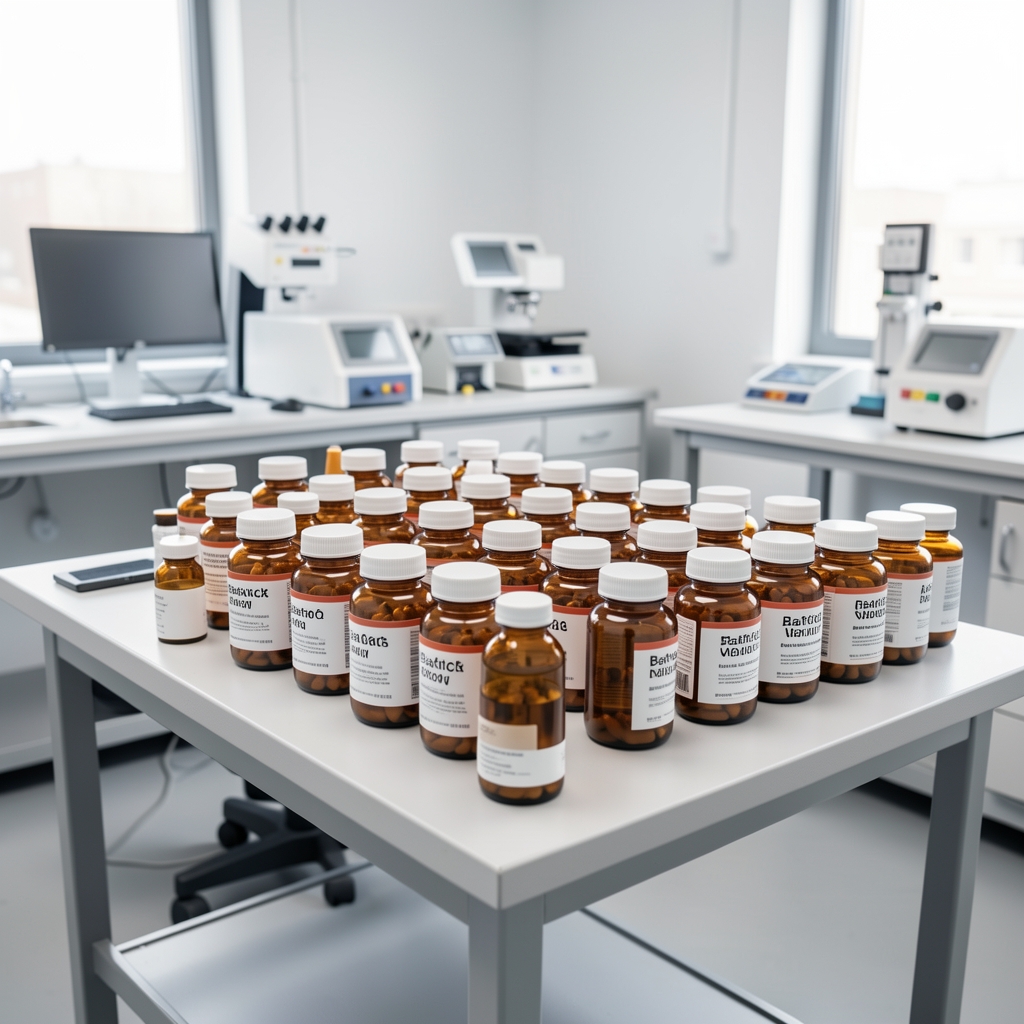
Batch Verification Cycle
Every supplement batch is dispatched to an independent laboratory prior to availability. Results are held on file for thirty-six months. Lot codes link the physical batch to its verification record.

Published Research Reference
Composition decisions are traceable to specific published nutritional literature. Source citations are included in plan documentation, not provided as general background reading.
Supports normal cognitive function and immune health. Found in red meat, pumpkin seeds, legumes, and fortified whole grains.
Contributes to normal energy metabolism and reduces tiredness. Rich sources include dark leafy greens, nuts, seeds, and whole grains.
Supports normal function of the immune system. Dietary sources include oily fish, egg yolk, and fortified foods. Sunlight exposure is the primary production route.
Involved in normal heart and brain function support. Sourced from oily fish, flaxseed, chia seeds, and walnuts within a balanced daily eating pattern.
Contributes to normal energy production. Primarily found in animal products — fish, meat, eggs, dairy. Supplementation documented for men on plant-based patterns.
Contributes to protection of cells from oxidative stress. Brazil nuts, tuna, and sunflower seeds are among the concentrated whole-food sources reviewed.
Supports the normal function of the immune system. Bell peppers, citrus, kiwi, and broccoli are the whole-food sources documented across meal plans.
Involved in cellular energy production. Naturally present in organ meats, sardines, and spinach. Compositional levels decline with age — a key consideration for men post-30.
Questions about the research and documentation process.
Kalenov products are nutritional food-supplements registered with the applicable local regulatory authority under food-supplement classification. Products meet compositional and labelling requirements for nutritional supplement categories.
We recommend speaking with a qualified wellness or nutrition professional before introducing any supplement to your daily routine, particularly if you have specific dietary requirements.